Breast Implant-Associated Malignancies: What Women with Breast Implants Should Know
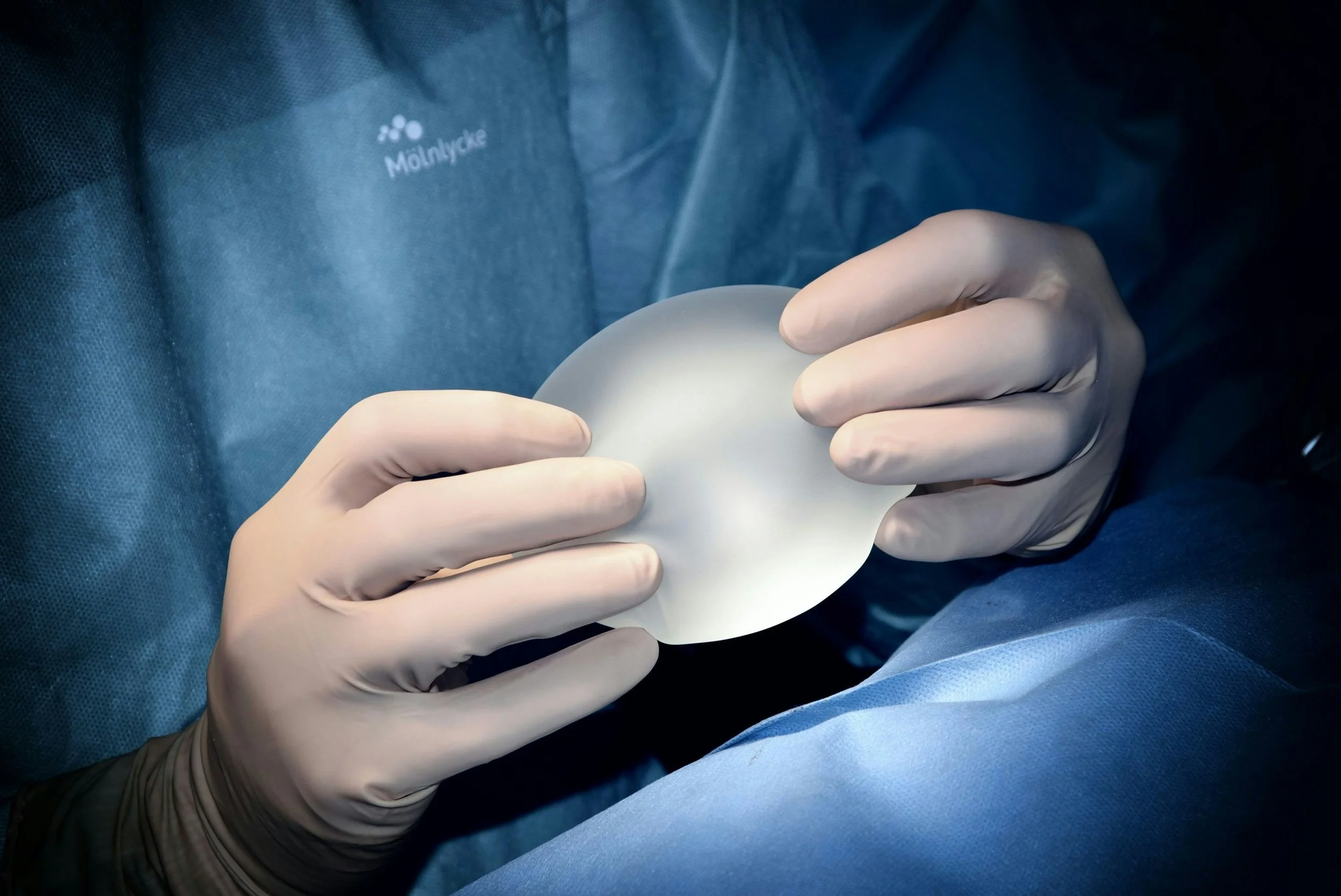
Breast implants are generally very safe, and serious complications are uncommon. However, in rare cases, cancers can develop in the scar tissue (capsule) surrounding a breast implant.
These conditions are known as breast implant-associated malignancies and are different from breast cancer, which develops within the breast tissue itself.
The three recognised breast implant-associated malignancies are:
Breast Implant-Associated Anaplastic Large Cell Lymphoma (BIA-ALCL)
Breast Implant-Associated B-Cell Lymphoma (BIA-BCL)
Breast Implant-Associated Squamous Cell Carcinoma (BIA-SCC)
What Causes Breast Implant-Associated Malignancies?
The exact cause is not fully understood. Researchers believe that long-term inflammation around breast implants, particularly textured implants, may contribute to the development of these rare cancers over many years.
Most cases occur more than 10 years after breast implant surgery.
Breast Implant Associated Anaplastic Large Cell Lymphoma (BIA-ALCL)
BIA-ALCL is the most common breast implant-associated malignancy, although it remains very rare.
As of June 2025, approximately 1,772 cases had been reported worldwide.
Who Is at Risk?
Almost all reported cases have occurred in women with a history of textured breast implants, even if the implants were later removed or replaced.
The average time from implant placement to diagnosis is around 14 years.
Symptoms
The most common symptom is:
Sudden breast swelling caused by fluid around the implant (known as a late seroma)
Other symptoms may include:
Breast pain
A lump in the breast or armpit
Changes in breast shape
Skin redness
The good news is that most cases are diagnosed early and successfully treated with surgery alone.
Breast Implant Associated B-Cell Lymphoma (BIA-BCL)
BIA-BCL is an extremely rare type of lymphoma that develops within the implant capsule.
To date, only around 44 cases have been reported worldwide.
Symptoms may include:
Breast swelling
Pain
A lump
Skin changes
Occasionally fevers, night sweats, or weight loss
Most reported cases have been confined to the capsule surrounding the implant and outcomes have generally been favourable.
Breast Implant Associated Squamous Cell Carcinoma (BIA-SCC)
BIA-SCC is a very rare cancer that develops from the cells lining the implant capsule.
Only around 31 cases have been reported worldwide.
Unlike the lymphomas, BIA-SCC tends to behave more aggressively and often presents many years after surgery, with an average time to diagnosis of over 20 years.
Symptoms
Symptoms may include:
Breast swelling
Persistent pain
Breast firmness
Skin thickening or redness
A breast lump
Ulceration or a draining wound
Because BIA-SCC can spread beyond the capsule, early assessment is important.
When Should I See a Plastic Surgeon?
Any new breast symptoms occurring more than one year after breast implant surgery should be assessed.
Seek medical attention if you develop:
Sudden breast swelling
Fluid around an implant
A new breast lump
Persistent pain
Skin changes
Enlarged lymph nodes
Unexplained weight loss or fevers
These symptoms do not necessarily mean you have a malignancy, but they should be investigated.
How Are Breast Implant-Associated Malignancies Diagnosed?
Investigation usually begins with:
Ultrasound
Mammogram
If fluid is present around the implant, it can be removed with a needle and sent for specialised testing.
If a lump is found, a biopsy may be required.
If a breast implant-associated malignancy is diagnosed, a PET-CT scan is typically performed to determine whether the disease is confined to the capsule or has spread elsewhere.
How Are Breast Implant-Associated Malignancies Treated?
Treatment depends on the type and stage of disease.
In most cases, surgery involves:
Removal of the implant
Removal of the entire surrounding capsule
This is known as an en bloc capsulectomy.
Some patients with more advanced disease may also require:
Lymph node surgery
Chemotherapy
Radiation therapy
Immunotherapy
After My Breast Implant-Associated Malignancy Is Treated, Can I Have Breast Reconstruction?
In some cases, yes.
If the disease is confined to the capsule, reconstruction may be performed immediately.
Options may include:
Smooth breast implants
DIEP flap breast reconstruction
Other autologous (your own tissue) reconstruction techniques
Fat grafting
For more advanced disease, reconstruction is often delayed to ensure there is no evidence of recurrence before reconstruction.
Take Home Message
Breast implant-associated malignancies are rare, but awareness is important.
The most common warning sign is new breast swelling many years after breast implant surgery. Early investigation and treatment generally lead to the best outcomes.
If you have breast implants and notice any new swelling, pain, skin changes, or a breast lump, arrange an assessment with your plastic surgeon.
For More Information
American Society of Plastic Surgeons - Breast Implant Associated Anaplastic Large Cell Lymphoma (BIA-ALCL)
References
Dr Law’s Credentials
AHPRA Specialist Plastic and Reconstructive Surgeon. MED 0001775113.
FRACS (Plastic Surgery). Fellow of the Royal Australasian College of Surgeons.
MSc (Plastic Surgery). Master of Surgery (with Merit), University of Edinburgh.
MSc (Res). Master of Surgical Science in Plastic and Reconstructive Surgery, University of Oxford.
MBBS(Hons), BSc(Med)Hons 1. Double degreem, Bachelor of Medicine and Bachelor of Surgery, Bachelor of Science (Medicine) Honours.
This article was written by:
Dr. Jenaleen Law
Specialist Plastic and Reconstructive Surgeon
MBBS(Hons), BSc(Med)Hons, MSc(Res), MSc, FRACS(Plast)
AHPRA Registration: MED0001775113