

Upper Blepharoplasty in Sydney
What is upper blepharoplasty?
Upper blepharoplasty is surgery that removes excess skin, fat, or muscle from the upper eyelids.
Who might benefit from upper blepharoplasty?
People who seek upper blepharoplasty may have:
Sagging upper eyelids that affects their vision.
Droopy upper eyelids that makes them look tired, sad or angry, even when they feel fine.
Upper blepharoplasty is often performed to remove excess skin that may impair vision or cause discomfort and to improve the appearance of the eyelid area.
What to expect from upper eyelid blepharoplasty in Sydney
During upper eyelid surgery (also known as upper blepharoplasty), the incision is placed along the natural eyelid crease. This allows the surgeon to remove excess skin and fat while leaving a fine, discreet scar that becomes almost imperceptible once healed (though scars never completely disappear).
The surgical process:
The surgery can be done using local anaesthesia with you awake or with you asleep under a general anaesthesia, the latter is especially true when an upper blepharoplasty is combined with other procedures.
The amount of skin to be removed is marked with you in both an upright and reclined positions to ensure the markings are symmetrical and to ensure you can close your eyes.
The surgery usually lasts around 45-60 minutes.
Extra fat around the upper eyelid area may be trimmed or repositioned to create a smoother eyelid contour.
Stitches are used to close the skin and are removed about one week later.
For many patients, excess upper eyelid skin not only affects appearance but can also cause functional issues such as reduced peripheral vision, especially in the outer and upper fields of sight. By addressing this, upper blepharoplasty surgery can improve aesthetics and day-to-day comfort.
Recovery process from upper blepharoplasty
Immediately after surgery: it might be helpful to wear sunglasses home, expect bruising and swelling and temporary blurry vision (usually from the ointment applied during surgery).
Home care: involves continued application of antibiotic ointment and artificial tears, keeping your head elevated, and using cold compresses.
Bruising and swelling usually improve within 1-2 weeks, although the final result can take several weeks to appear.
Temporary sensations such as numbness, tightness, or mild dryness may occur but usually resolve with time.
Sutures are removed 5-7 days after surgery.
Avoid wearing make-up for 2 weeks.
Avoid wearing contact lenses for at least 2 weeks after surgery. You may wear glasses instead.
Return to desk job and social activities within 2 weeks.
Avoid heavy lifting and exercise for 4-6 weeks.
For more information, please read our article on FAQs on blepharoplasty recovery.
Risks & complications
-
All surgery carries risks and may include:
Drug reactions.
Allergic reactions.
Infection.
Bleeding and haematoma (blood clot).
-
Risks specific to blepharoplasty will be discussed with you during your consultation and will also be provided in your consent paperwork. These include:
Bruising and swelling.
Watery eyes.
Dry eyes.
Asymmetry.
Difficulty closing eyes: This is very rare.
Vision loss: This is extremely rare.
Choosing a specialist surgeon with proper anaesthetic support helps minimise these risks.
Before & Afters
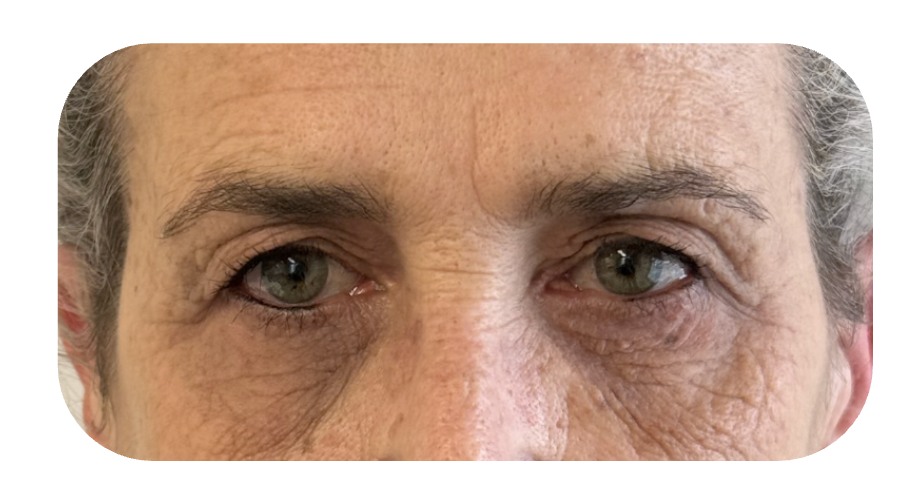
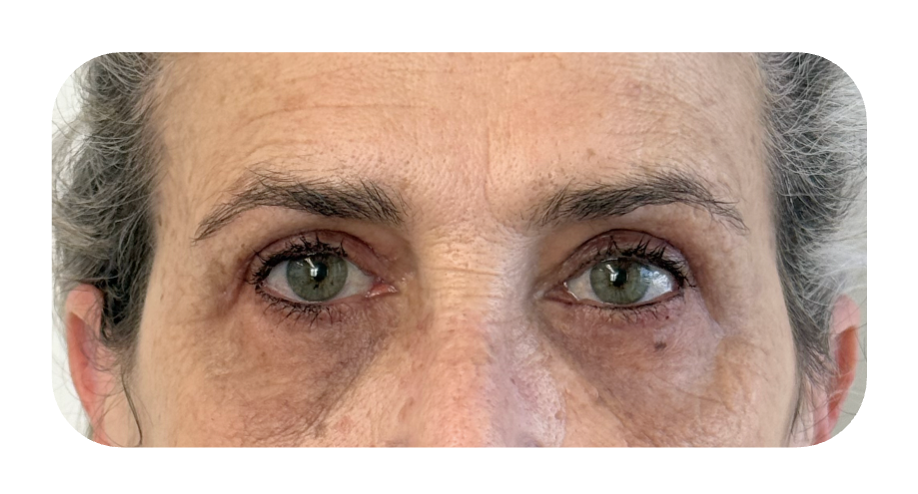
This patient had significant excess upper eyelid skin that was affecting her vision. The skin was resting over her lash line, limiting her upper field of view and making everyday tasks like driving more difficult. Following surgery, her line of sight is clearer and daily activities feel much easier. She is shown here at 6 weeks post-op. She has very minor residual swelling, but is otherwise back to all her usual activities.
Plastic, Reconstructive
& Aesthetic Surgery,
Sydney
Contact Dr Law below to
request a consultation.