

Breast Reduction Surgery in Sydney, North Shore & Eastern Suburbs
Why Have Breast Reduction Surgery?
Many women with large, heavy breasts experience a range of issues that affect their quality of life. These may include:
Neck, shoulder and back pain from the weight of the breasts.
Skin irritation or rashes under the breast fold.
Difficulty exercising or finding well-fitting bras, swimwear, and clothes.
Grooves from bra straps on the shoulder and back.
Breast reduction surgery is done to reduce the size and to improve the shape of the breasts. Breast reduction surgery can help by:
Reducing breast volume to relieve discomfort.
Lifting and reshaping the breast tissue.
Tailoring the skin envelope to match the new breast size.
Whether large breasts are causing physical discomfort or aesthetic concerns, breast reduction surgery can help create a breast size that is more comfortable and in proportion with the rest of your body. Each procedure is individually tailored to your needs and personal goals. While most patients are very pleased with the outcome, it’s important to remember that results can vary depending on factors such as your anatomy, healing process, and overall health.
Many women with large, heavy breasts experience chronic discomfort that affects their daily activities, exercise, work, and overall quality of life.
One of the most common reasons patients seek a consultation for breast reduction surgery is back, neck, and shoulder pain.
Frequently Asked Questions - General Information
Who Is A Good Candidate For Breast Reduction Surgery?
1
You may be a good candidate if you experience chronic back, neck, or shoulder pain, have skin irritation or rashes beneath the breasts, struggle with physical activity or exercise due to breast size, find it difficult to find clothes or bras that fit or feel self-conscious about your breast appearance.
Is Breast Reduction Possible Without Surgery?
2
Many patients trial exercise or other non-surgical ways to reduce breast size. While adjustments to diet and physical activity can benefit some individuals —and support overall health — they are not always effective in reducing larger breasts. This is because breasts contain both fatty and glandular tissue, and the proportion of each varies from person to person. Generally, diet and exercise can reduce fat, including fatty breast tissue, but they do not affect glandular tissue. If a significant portion of your breast volume is glandular, surgery may be necessary to achieve more noticeable reduction results.
What Happens During My Consultation For Breast Reduction Surgery?
3
During your breast reduction consultation, Dr Jen Law will take the time to understand your concerns, symptoms, and goals for surgery. This is an opportunity to discuss how your breasts affect your daily activities, exercise, comfort, clothing choices, and overall quality of life. This consultation will take approximately one hour.
A physical examination will be performed to assess your breast size, shape, skin quality, nipple position, and body proportions. Dr Law will discuss the most suitable surgical options for your anatomy and explain the likely scars, expected results, recovery process, and potential risks of surgery.
Clinical photographs will be taken as part of your medical record and surgical planning. You will also have the opportunity to ask questions and discuss any concerns you may have about the procedure.
If you are considering proceeding with surgery, you will receive information about the costs involved, including hospital, anaesthetic, and surgeon's fees, as well as potential Medicare and private health fund rebates where applicable.
The goal of the consultation is to ensure you have a clear understanding of the procedure and can make an informed decision about whether breast reduction surgery is right for you.
You can book your consultation with Dr Law here.
How Do I Prepare For Breast Reduction Surgery?
4
Ensure you stop smoking at least 6 weeks before surgery. Avoid certain medications as advised by Dr Law. Maintain a stable, healthy weight. Arrange time off work and support at home for recovery. Dr Law’s team will give you all the instructions to prepare you for surgery and recovery.
Will Breast Reduction Surgery Help My Neck, Back, and Shoulder Pain?
5
For many women, breast reduction surgery can significantly improve back, neck, and shoulder pain caused by the weight of large breasts. Excess breast tissue can place strain on the muscles, joints, and posture of the upper body, leading to chronic discomfort, shoulder grooving from bra straps, headaches, and difficulty with physical activities.
Research has consistently shown that breast reduction surgery can improve physical symptoms, quality of life, exercise tolerance, and body image. Patients often find it easier to participate in sports, maintain good posture, and wear a wider range of clothing after surgery.
While breast reduction surgery can be highly effective for back pain related to breast size, it may not resolve back pain caused by other conditions such as arthritis, spinal problems, or muscular injuries. During your consultation, Dr Jen Law will discuss your symptoms and whether breast reduction surgery is likely to help address your concerns.
Frequently Asked Questions - Surgery
Will I Be Asleep For Breast Reduction Surgery?
1
Yes, breast reduction surgery is generally performed under a general anaesthesia.
How Is Breast Reduction Surgery Performed?
2
Excess breast tissue, fat, and skin are removed. Your breasts are then reshaped and lifted. The nipple and areola are usually repositioned to match the new shape.
Will I Get A Breast Lift?
Sagging is a common concern for those with larger breasts. The extra weight can stretch the breast’s connective tissues and ligaments, often making a breast lift (mastopexy) necessary alongside a reduction. During the procedure, Dr Law usually remove excess tissue while reshaping and elevating the remaining breast to achieve a lifted appearance at the same time.
3
Will I Need To Stay In Hospital For Breast Reduction Surgery in Sydney?
4
Breast reduction surgery is performed in a hospital setting under general anaesthesia. The procedure usually takes around three hours, and most patients stay overnight as they begin their recovery. Occasionally in some cases it may be done as a day procedure. All surgeries performed by Dr Law take place in accredited facilities to ensure patient safety.
Will I Have Scars From Breast Reduction Surgery?
5
Yes, there will be scars around the areola, vertically down the breast, and often along the breast crease (commonly called “anchor” or “lollipop” scars). Scars usually fade over time and are designed to be hidden under clothing.
Is Breast Reduction Surgery Safe?
Like any operation, breast reduction carries some risks, including bleeding, infection, delayed wound healing, asymmetry, and changes in nipple sensation, and in very rare cases, nipple loss. Choosing a fully qualified specialist surgeon helps minimise these risks and ensures safe and expert care.
6
Frequently Asked Questions - Recovery & Results
7
How Long Is The Recovery From Breast Reduction Surgery?
1
Most patients go home the same day or after one night in hospital. Expect 1–2 weeks off from desk work and at least 3-4 weeks off from manual work. Gentle walking is encouraged, but heavy lifting and strenuous exercise should be avoided for 6 weeks. Swelling gradually improves over several weeks, with final results visible after a few months.
What Results Can I Expect From Surgery?
2
Most women notice an immediate improvement in comfort, posture, and confidence. Exercise and daily activities become easier, and clothes fit better. The final breast shape continues to refine over several months as swelling settles.
When Will I See The Results Of My Breast Reduction Surgery?
3
You will notice an immediate reduction in breast size after surgery, and many patients experience relief from symptoms such as neck, shoulder, and back pain straight away. However, your breasts will initially be swollen, bruised, and positioned higher on the chest than the final result.
Over the following weeks and months, the swelling gradually settles and the breasts soften. Most patients have a good idea of their results by around 6–12 weeks after surgery, although subtle changes can continue for up to 6–12 months as the tissues heal and scars mature.
It's important to be patient during the recovery process, as the final shape, position, and appearance of your breasts will develop gradually over time.
How Long Will My Results Last? Will My Breasts Grow Back?
4
After a breast reduction, your breasts will not “grow back”. However, they can become larger if you gain weight or during pregnancy, and smaller if you lose weight. Like all breasts, they will naturally change in shape and position over time as part of the ageing process.
What Is the Best Sleeping Position After Breast Reduction Surgery?
5
After breast reduction surgery, it is generally recommended that you sleep on your back with your upper body slightly elevated for the first few weeks. This helps reduce swelling, supports the healing tissues, and minimises pressure on your breasts.
Most patients can resume light walking immediately after breast reduction surgery. However, strenuous exercise, heavy lifting, running, and upper body workouts should be avoided for 6-8 weeks.
Will I Be Able To Breastfeed After Breast Reduction Surgery?
When Can I Exercise After Breast Reduction Surgery?
6
Breastfeeding may still be possible, but there is a risk that milk supply will be reduced. This depends on the surgical technique used and individual healing. Dr Law will discuss your options if future breastfeeding is important to you.Will I have scars after breast reduction surgery?
Potential Risks & Complications
-
All surgery carries risks and may include:
Drug reactions.
Allergic reactions.
Infection.
Bleeding and haematoma (blood clot).
Seroma (fluid collection).
-
Risks specific to breast reduction surgery will be discussed with you during your consultation and will also be provided in your consent paperwork. These include:
Nipple numbness.
Nipple healing problems.
Fat necrosis (lumps in the breast).
Wound healing problems and poor scarring.
Asymmetry.
Inability to breastfeed.
Choosing a qualified surgeon with proper anaesthetic support helps minimise these risks.
What Else Should I Consider Before Breast Reduction Surgery?
You may also want to consider the following questions:
Are you hoping to lose weight?
Do you plan to have children in the future? Do you want to breastfeed?
Do you have realistic expectations for what breast reduction can offer you?
Are you aware that you will have scarring on your breasts?
Will you be supported during your recovery?
Do you understand the possible risks of surgery?
These questions and others can be discussed with you during your consultation.
Before & Afters - Expected Results
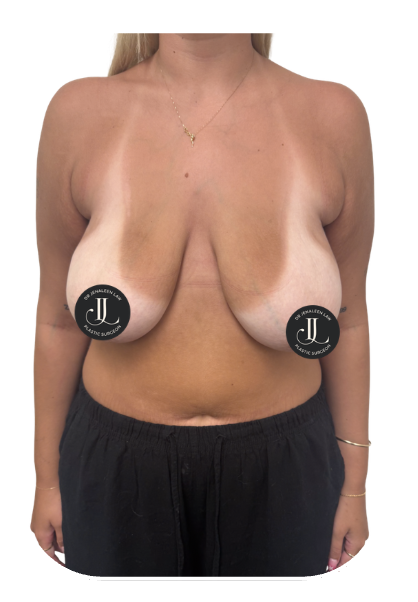
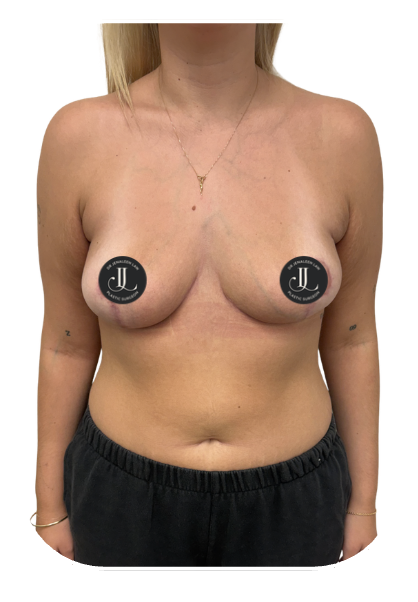
This patient underwent a breast reduction and lift by Dr Law. She went from an E-F cup to a C cup.
Photos are shown at 3 months after surgery.
Most women experience relief from shoulder, back, and neck pain after breast reduction surgery. Their posture often improves, clothes tend to fit better, and physical activity can feel more comfortable. However, individual outcomes may vary. These photos below also show an individual patient’s results and outcomes will vary.
Further Reading About Breast Reduction Surgery with Dr Jen Law
Read Dr Law’s What's the Least Amount of Scarring Possible with Breast Reduction Surgery? page
Read Dr Law’s How Long Do Breast Reduction Results Last? Can Breast Tissue Grow Back? page
Read Dr Law’s The Benefits of Breast Reduction Surgery page
Read Dr Law’s Does Medicare Cover Breast Reduction Surgery in Sydney, Australia? page
Read Dr Law’s How To Get The Best Scars After Breast Reduction Surgery page
Read Dr Law’s Are You Considering Breast Reduction Surgery after Ozempic & Mounjaro? page
Read Dr Law’s Recovery After Breast Reduction Surgery: What to Expect Week by Week page
Read Dr Law’s Ten FAQs About Breast Reduction Surgery page
Why Choose Dr Jen Law For Your Breast Reduction Surgery?
Dr Law is a FRACS-qualified Female Specialist Plastic and Reconstructive Surgeon
Dr Law is a Member of the Australian Society of Plastic Surgeons (ASPS)
Dr Law is a Member of the Australasian Society of Aesthetic Plastic Surgeons (ASAPS)
Dr Law has completed several breast surgery fellowships at Brussels University Hospital (with Professor Moustapha Hamdi), followed by a breast reconstrurction fellowship at the University of Manitoba (with Dr Ed Buchel). She also trained with leading pioneers in breast reduction surgery in Canada and the United Kingdom, further refining her expertise in tailoring reduction mammoplasty to each patient’s unique anatomy.
She operates only at fully accredited hospitals in Sydney on the North Shore and Eastern Suburbs.
She can offer an all-female surgical team, upon request.
Breast Reduction Surgery Costs & Pricing
After your initial consultation, you will receive a detailed quote for your breast reduction surgery outlining the total cost and any out-of-pocket expenses. We believe in transparent pricing and will provide a detailed estimate of anticipated costs before you make any decisions. In some cases, a Medicare item number (45523) may apply to breast reduction surgery. If you have appropriate private health insurance, this may help reduce your out-of-pocket costs depending on your level of cover.
We receive enquiries about having breast reduction surgery as a public patient. Please note that this procedure is not routinely available in most public hospital settings. However, in certain circumstances, you may be eligible to apply for breast reduction surgery through the public system. To qualify, patients generally need to meet specific criteria, which includes a BMI under 27, significantly large and physically debilitating breasts, and the need for a substantial reduction. If these criteria are met, the case will undergo a formal hospital assessment and approval process. If approved, patients are typically placed on a waiting list of approximately 12 months, after which the hospital will allocate a date for surgery. All post-operative care and follow-up appointments are then managed through the public hospital system.
Book Your Breast Reduction Consultation with Specialist Plastic Surgeon Dr Jen Law
Breast reduction surgery, or reduction mammaplasty, helps individuals who experience discomfort or lifestyle limitations due to disproportionately large breasts.
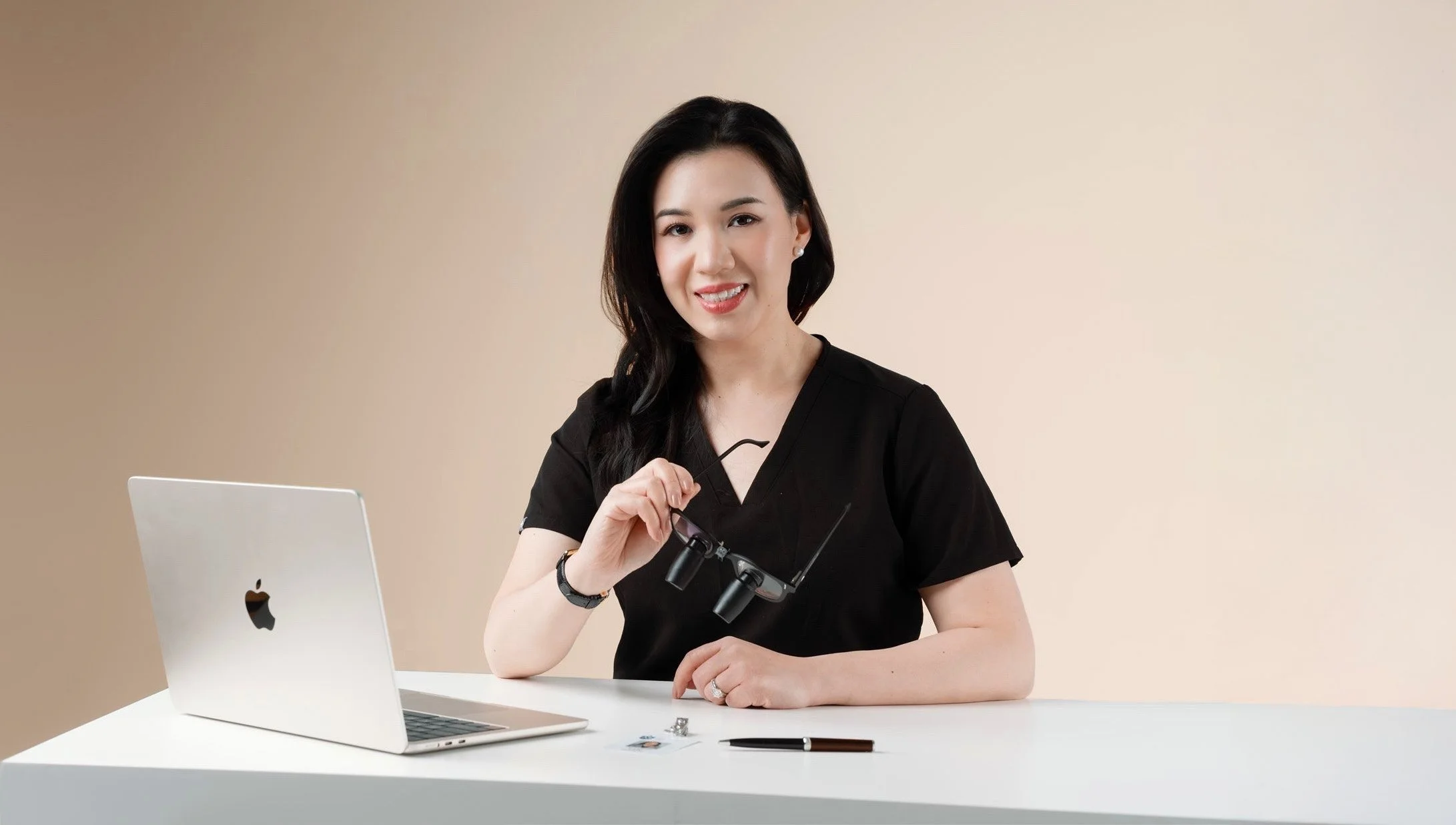
Dr Law is a fully qualified female plastic, reconstructive and cosmetic surgeon based in Sydney. Her approach centres on understanding each patient’s concerns and tailoring surgery to achieve each patient’s goals.
Dr Jen Law provides personalised consultations to assess your concerns, discuss your goals, and determine the most appropriate surgical approach for your anatomy. You'll receive comprehensive information about the procedure, expected outcomes, recovery process, and potential risks.
Book your breast reduction consultation with Dr Jen Law today at our Darlinghurst, St Leonards, or Bankstown locations.
Plastic, Reconstructive
& Aesthetic Surgery,
Sydney
Contact Dr Law below to request a consultation.