Can I Breastfeed After Breast Reduction Surgery?
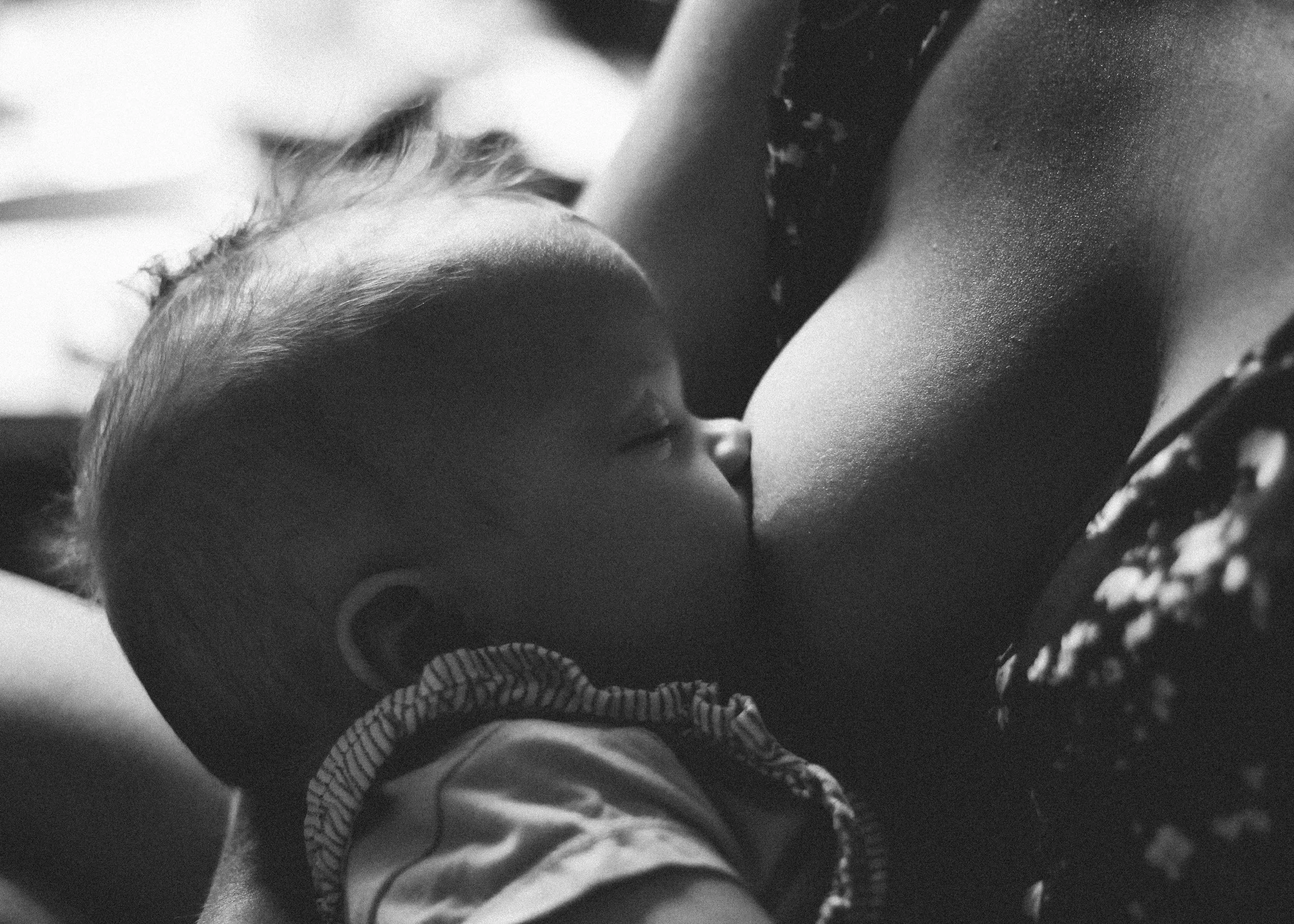
If you're considering breast reduction surgery and hope to breastfeed in the future, you may wonder whether the procedure could affect your ability to breastfeed. This is a question I commonly get asked as a Specialist Plastic Surgeon.
Yes - many women are able to breastfeed after breast reduction surgery, but it is important to understand that there is no guarantee. The ability to breastfeed depends on several factors, including the surgical technique used, how much tissue is removed, and your natural milk production.
Will I be Able to Breastfeed After Breast Reduction Surgery?
Modern breast reduction techniques aim to preserve the connection between the nipple, milk ducts, nerves, and blood vessels in the breast whenever possible. This helps maximise the chances of breastfeeding after breast reduction surgery.
Many women can successfully breastfeed following breast reduction surgery, either exclusively or with supplemental formula feeding.
However, some women may experience:
Reduced milk supply
Difficulty producing enough milk for exclusive breastfeeding
Delayed milk production
Challenges with milk transfer
Unfortunately, it is impossible to predict with certainty who will or will not be able to breastfeed after surgery.
What Factors Affect Breastfeeding After Breast Reduction?
(1) Surgical Technique
The technique used during surgery plays an important role.
Most modern breast reduction techniques reposition the nipple while maintaining its attachment to the underlying breast tissue.
Because many of these structures are preserved, breastfeeding may still be possible after surgery.
In contrast, techniques that completely detach and graft the nipple (free nipple grafts) are likely to affect future breastfeeding potential. Fortunately, these techniques are typically reserved for very large breast reductions and are uncommon.
(2) Amount of Breast Tissue Removed
The more breast tissue that is removed, the greater the potential impact on milk production.
This is because milk-producing glandular tissue is removed during the reduction process.
However, even women who undergo significant reductions may still retain enough glandular tissue to breastfeed successfully.
(3) Nipple Sensation
Nerve function plays an important role in breastfeeding.
Reduced nipple sensation after surgery may affect the hormonal reflexes involved in milk production and milk release.
Most patients experience gradual improvement in nipple sensation over time, although recovery varies between individuals.
(4) Time Between Surgery and Pregnancy
Women who become pregnant several years after breast reduction may have a greater chance of successful breastfeeding than those who become pregnant soon after surgery.
Over time, the body can sometimes form new pathways and connections within the breast that support milk production and transfer.
Will My Surgeon Be Able to Tell if I Can Breastfeed?
Unfortunately, no surgeon can guarantee future breastfeeding success.
Even women who have never had breast surgery may experience difficulties with breastfeeding.
Likewise, many women who have undergone breast reduction surgery go on to breastfeed successfully.
The best approach is to discuss your future family plans with your plastic surgeon before surgery so that these goals can be considered when planning your procedure.
If breastfeeding is a high priority for you and you would like to maximise your chances of being able to breastfeed in the future, your surgeon may, in some circumstances, recommend postponing breast reduction surgery until after you have completed your family.
Should I Wait To Have My Breast Reduction Surgery After Having Children?
Not necessarily.
Many women choose to undergo breast reduction before having children because of symptoms such as:
Chronic neck pain
Shoulder pain
Upper back pain
Difficulty exercising
Skin irritation beneath the breasts
Difficulty finding clothing that fits comfortably
For these women, the benefits of surgery may outweigh the potential impact on future breastfeeding.
If breastfeeding is a particularly important goal, this should be discussed during your consultation so an individualised recommendation can be made.
What Can I Do if I Have Difficulty Breastfeeding After Breast Reduction Surgery?
If you experience challenges with breastfeeding, support is available.
Many women benefit from assistance from:
Lactation consultants
Midwives
Maternal and child health nurses
Breastfeeding support organisations
Some women may successfully combine breastfeeding with supplemental formula feeding to ensure their baby's nutritional needs are met.
Frequently Asked Questions
Can breast reduction completely prevent breastfeeding?
It is possible, but uncommon with modern breast reduction techniques that preserve the nipple's blood supply, nerves, and milk ducts.
Will my milk supply be reduced?
Some women experience a reduced milk supply after breast reduction surgery, while others are able to produce enough milk for exclusive breastfeeding.
Does nipple sensation affect breastfeeding?
Yes. Nipple sensation helps trigger hormonal signals involved in milk production and milk release. Temporary or permanent changes in sensation may affect breastfeeding success.
Is it better to wait until after pregnancy for breast reduction surgery?
This depends on your symptoms, future family plans, and personal priorities. A consultation with a plastic surgeon can help determine the most appropriate timing for surgery.
Dr Law’s Credentials
AHPRA Specialist Plastic and Reconstructive Surgeon. MED 0001775113.
FRACS (Plastic Surgery). Fellow of the Royal Australasian College of Surgeons.
MSc (Plastic Surgery). Master of Surgery (with Merit), University of Edinburgh.
MSc (Res). Master of Surgical Science in Plastic and Reconstructive Surgery, University of Oxford.
MBBS(Hons), BSc(Med)Hons 1. Double degreem, Bachelor of Medicine and Bachelor of Surgery, Bachelor of Science (Medicine) Honours.
Further Reading About Breast Reduction Surgery with Dr Jen Law:
Read Dr Law’s What's the Least Amount of Scarring Possible with Breast Reduction Surgery? page
Read Dr Law’s How Long Do Breast Reduction Results Last? Can Breast Tissue Grow Back? page
Read Dr Law’s The Benefits of Breast Reduction Surgery page
Read Dr Law’s Does Medicare Cover Breast Reduction Surgery in Sydney, Australia? page
Read Dr Law’s How To Get The Best Scars After Breast Reduction Surgery page
Read Dr Law’s Are You Considering Breast Reduction Surgery after Ozempic & Mounjaro? page
Read Dr Law’s Recovery After Breast Reduction Surgery: What to Expect Week by Week page
Read Dr Law’s Ten FAQs About Breast Reduction Surgery page
Read Dr Law’s Breast Reduction Information page
Next Steps if You’re Considering Breast Reduction Surgery in Sydney
Breast reduction surgery can provide significant relief from the physical symptoms of excessively large breasts while improving comfort, mobility, and quality of life.
If you are considering breast reduction surgery in Sydney and have concerns about future breastfeeding, discussing your family plans during your consultation can help ensure the most appropriate surgical approach is chosen for your circumstances.
Every patient is different, and a personalised assessment is the best way to understand the potential benefits and considerations of breast reduction surgery.
The first step is to book a consultation with Dr Law, a qualified specialist plastic surgeon. She can assess your individual needs and recommend the safest and most effective approach tailored to you.
To learn more, you’re welcome to book a consultation with Dr Law at our Darlinghurst, St Leonards or Bankstown locations.
This article was written by:
Dr. Jenaleen Law
Specialist Plastic and Reconstructive Surgeon
MBBS(Hons), BSc(Med)Hons, MSc(Res), MSc, FRACS(Plast)
AHPRA Registration: MED0001775113