How Should I Sleep After Breast Reduction Surgery? Can I Sleep On My Side?
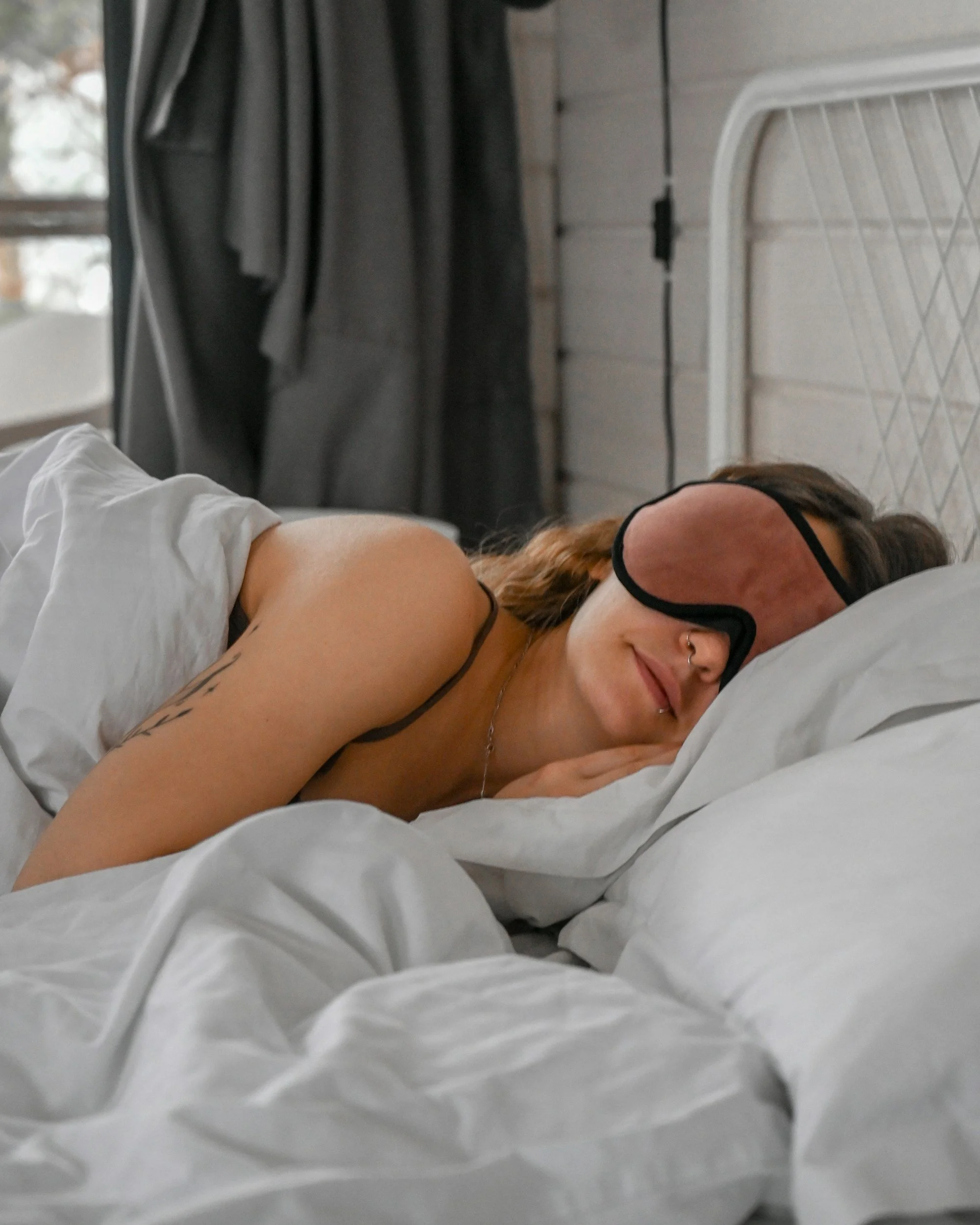
Patients are advised to sleep on their back after breast reduction surgery. If you're naturally a side sleeper, sleeping on your back during recovery can be challenging. However, protecting your breasts while they heal is an important part of achieving the best possible result.
Why Can't I Sleep on My Side Immediately After Breast Reduction?
Following breast reduction surgery, your breasts need time to heal. During the first few weeks, the breast tissue, skin, and internal sutures are still settling into their new shape and position.
Sleeping on your side too soon can:
Place pressure on healing breast tissue
Increase swelling
Cause discomfort or pain
Put tension on incisions and cause wound breakdown
Potentially affect breast shape during the early healing phase
For these reasons, most plastic surgeons recommend sleeping on your back initially.
How Long Should I Sleep on My Back After Breast Reduction?
Most patients are advised to sleep on their back for approximately 2 to 6 weeks after surgery.
The exact recovery timeframe varies from person to person and depends on factors that can affect healing, such as diabetes or a history of radiotherapy.
Many patients can begin transitioning to side sleeping around 3 to 4 weeks after surgery, provided they are comfortable and healing well.
However, always follow the advice of your surgeon, as recovery varies from person to person.
Can Sleeping on My Side Affect My Breast Reduction Results?
In the long term, sleeping on your side is unlikely to affect your breast reduction results.
However, during the early healing period, excessive pressure on the breasts may increase swelling and discomfort. This is why surgeons recommend avoiding side sleeping until healing is sufficiently advanced.
Once your tissues have healed and settled, you can generally return to your preferred sleeping position.
What About Sleeping on My Stomach?
Stomach sleeping usually requires a longer waiting period than side sleeping.
Most surgeons recommend avoiding sleeping on your stomach for at least 6 to 8 weeks, as this position places direct pressure on the breasts and healing tissues.
Tips for Sleeping Comfortably After Breast Reduction
Many patients find these strategies helpful:
Sleep in a recliner chair for the first few days
Use extra pillows to create a comfortable "nest"
Elevate your upper body slightly to reduce swelling
Take prescribed pain medication as directed
Wear your surgical bra continuously as instructed
Avoid sleeping with pets or children who may accidentally bump your chest
Frequently Asked Questions
What Happens If I roll onto My Side Accidentally While Sleeping After Breast Reduction Surgery?
Don't panic if this happens occasionally. Most patients naturally move during sleep. Using pillows around your body can help prevent rolling and keep you comfortable.
Should I Sleep Upright After Breast Reduction Surgery?
Sleeping with your upper body slightly elevated may help reduce swelling, improve comfort, minimise pressure on the chest, and encourage fluid drainage during the early recovery period. Many patients find that sleeping slightly elevated is more comfortable than lying completely flat during the first few days after surgery.
How Upright Should I Sleep?
Most plastic surgeons recommend sleeping in a semi-reclined position rather than completely upright. A good guide is to elevate your head and upper body by approximately 30 to 45 degrees.
This can be achieved by using several pillows behind your back, using a wedge pillow or sleeping in a recliner bed or adjustable bed.
The goal is to keep your upper body comfortably elevated without straining your neck or lower back.
The Bottom Line
Most patients can return to side sleeping approximately 3 to 4 weeks after breast reduction surgery, although some may need to wait longer depending on their healing progress.
Sleeping on your back during the early recovery period helps protect your results, reduce swelling, and support wound healing. If you're unsure when it's safe to resume side sleeping, ask your plastic surgeon for personalised advice based on your recovery.
If you're considering breast reduction surgery or have questions about recovery, speak with a qualified plastic surgeon who can guide you through every stage of the process.
Dr Law’s Credentials
AHPRA Specialist Plastic and Reconstructive Surgeon. MED 0001775113.
FRACS (Plastic Surgery). Fellow of the Royal Australasian College of Surgeons.
MSc (Plastic Surgery). Master of Surgery (with Merit), University of Edinburgh.
MSc (Res). Master of Surgical Science in Plastic and Reconstructive Surgery, University of Oxford.
MBBS(Hons), BSc(Med)Hons 1. Double degreem, Bachelor of Medicine and Bachelor of Surgery, Bachelor of Science (Medicine) Honours.
Further Reading About Breast Reduction Surgery with Dr Jen Law:
Read Dr Law’s Does Medicare Cover Breast Reduction Surgery in Sydney, Australia? page
Read Dr Law’s How To Get The Best Scars After Breast Reduction Surgery page
Read Dr Law’s Are You Considering Breast Reduction Surgery after Ozempic & Mounjaro? page
Read Dr Law’s Recovery After Breast Reduction Surgery: What to Expect Week by Week page
Read Dr Law’s Ten FAQs About Breast Reduction Surgery page
Read Dr Law’s Breast Reduction Information page
Next Steps if You’re Considering Breast Reduction Surgery in Sydney
If you’re considering breast reduction surgery in Sydney, or want expert guidance through your breast reduction journey, the first step is to book a consultation with Dr Law, a qualified specialist plastic surgeon. She can assess your individual needs and recommend the safest and most effective approach tailored to you.
To learn more, you’re welcome to book a consultation with Dr Law at our Darlinghurst, St Leonards or Bankstown locations.
This article was written by:
Dr. Jenaleen Law
Specialist Plastic and Reconstructive Surgeon
MBBS(Hons), BSc(Med)Hons, MSc(Res), MSc, FRACS(Plast)
AHPRA Registration: MED0001775113